
Refine Health
Physio | Newmarket & St Heliers
Welcome to Refine Health Physiotherapy, your leading choice for exceptional physiotherapy services in Newmarket & St Heliers
Our Team

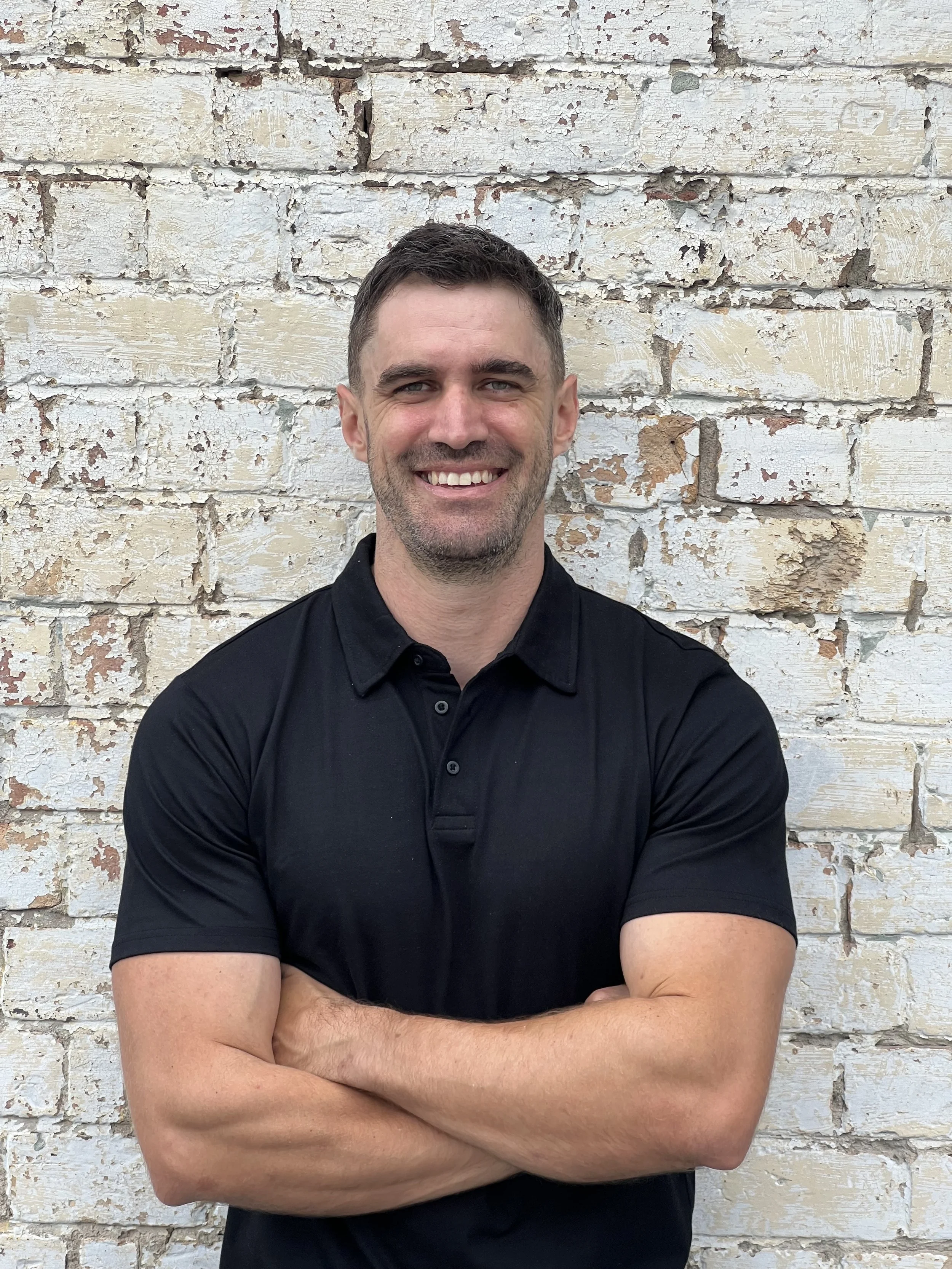
Pauline
Stephen
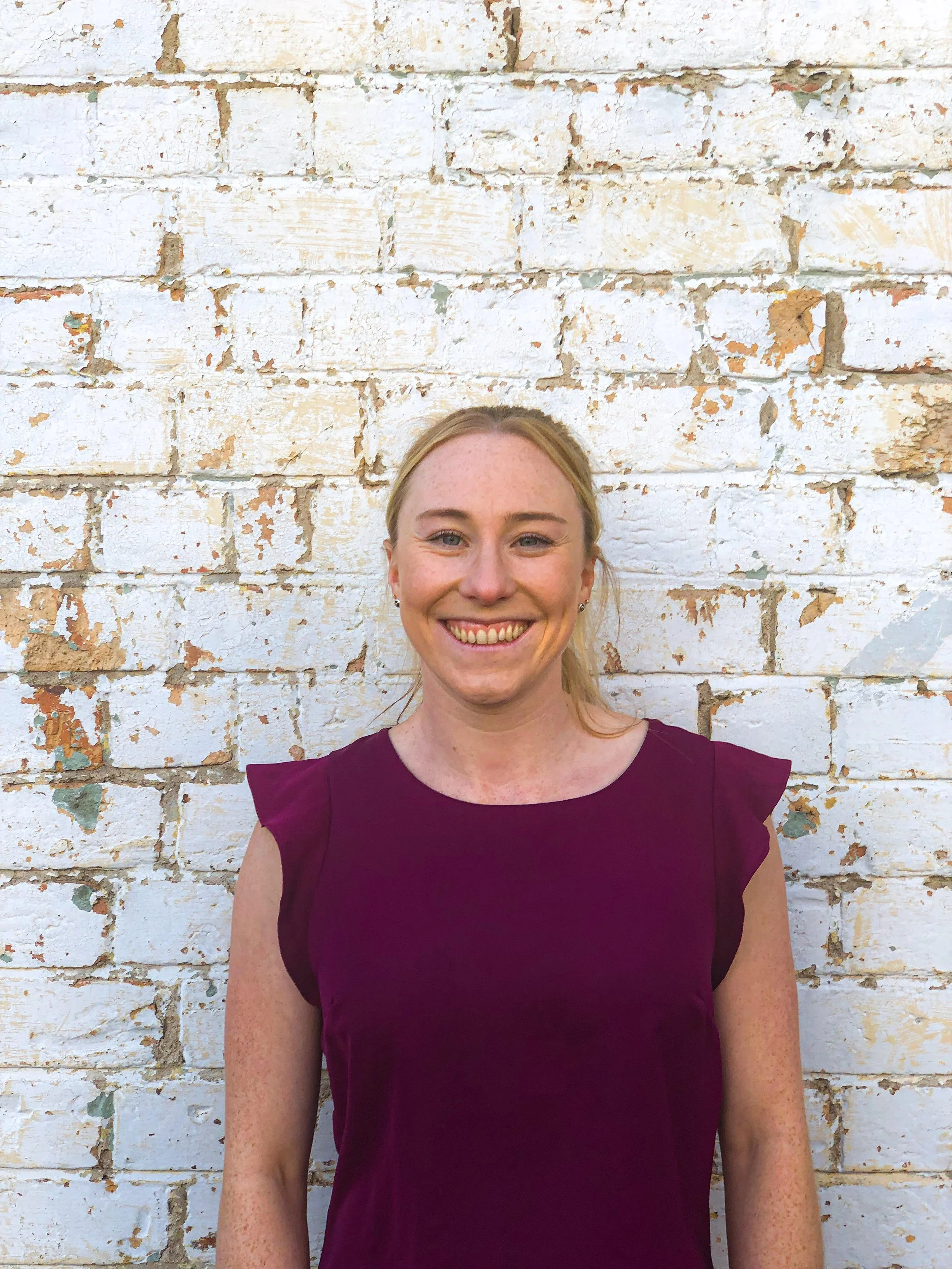
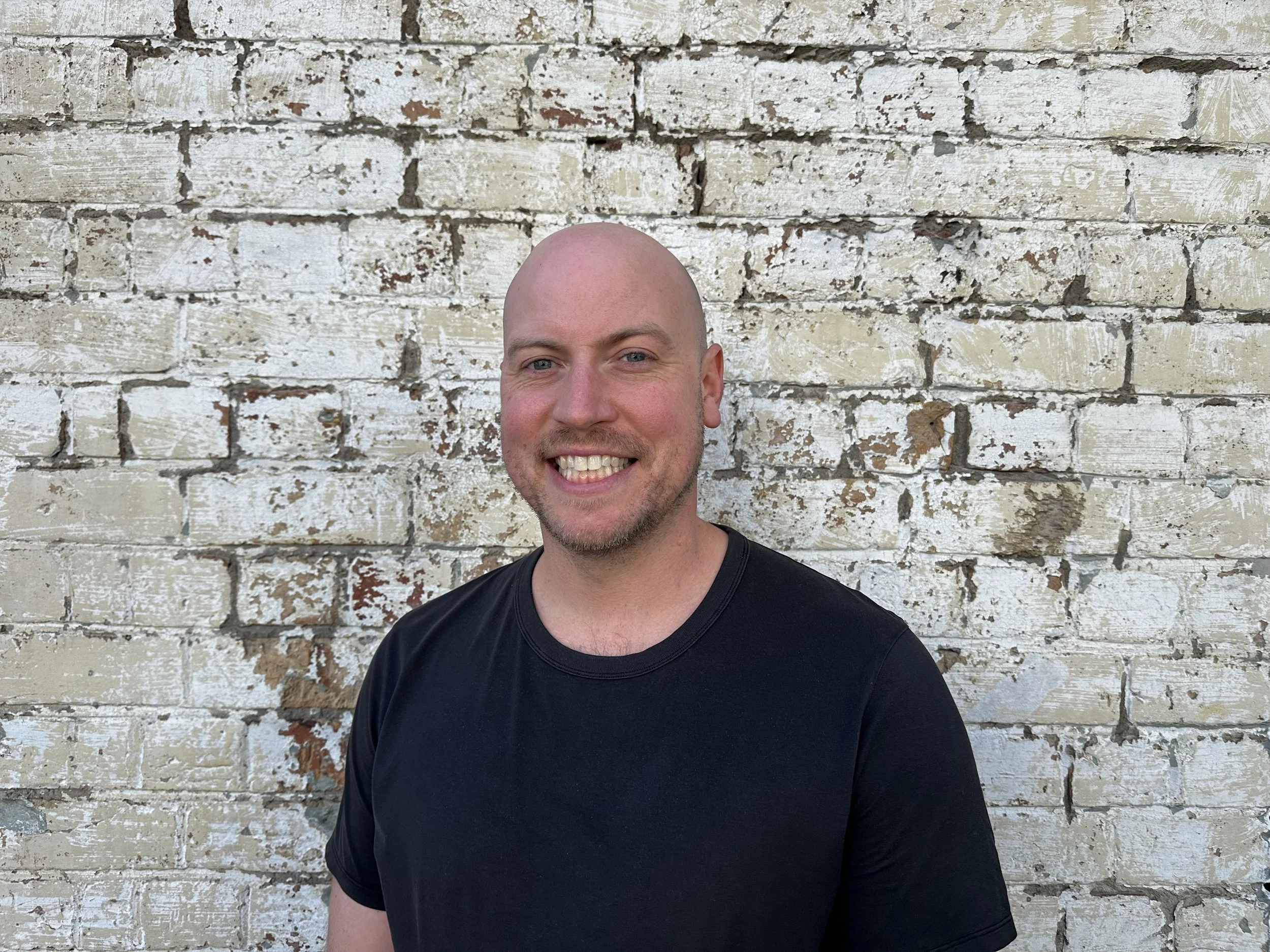
Kate
Nick

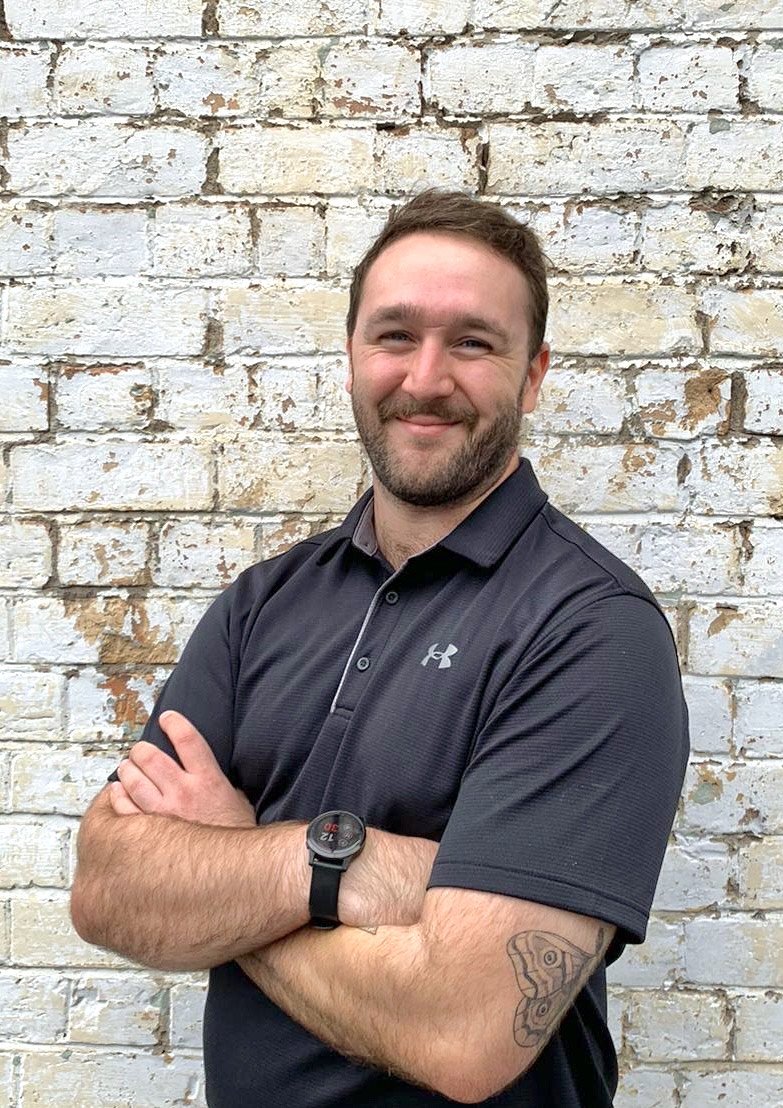
Donna
Callum
Your Trusted Newmarket & St Heliers Physiotherapy Clinics
At Refine Health Physiotherapy in Newmarket & St Heliers, we believe that movement is the essence of well-being and structured rehabilitation plays a pivotal role in ensuring your long-term health. Our philosophy is simple: offer a holistic, collaborative approach to patient care. By uniting the talents and knowledge of various skilled practitioners under one roof, we're positioned to address a wide range of concerns, whether you're looking to overcome injuries, ease pain, or enhance your physical prowess.
Our team, led by Senior Physiotherapists Stu Ross and Pauline Thorp, brings over 50 years of combined experience in private practice to the table. Stu, having worked with elite professional athletes and teams both locally and internationally, envisioned Refine Health as a sanctuary. A place where every individual, from Olympic contenders and active seniors to office workers and busy parents, could access top-tier care. His ethos: Everyone deserves a life free from pain and discomfort.

Anyone can tell you it feels better. We can show you it is better.
Most rehab ends when the pain stops. That's when re-injury risk is highest. At Refine Health, we build every plan around measurable targets — strength symmetry, force output, movement quality, running mechanics — so you know exactly where you sit and exactly what still needs work.
We use objective strength and force testing to benchmark you at the start, track you through the middle, and clear you at the end. No one leaves on a hunch.
And because we work alongside Auckland surgeons, GPs and imaging providers, we know when to progress you, when to hold, and when you need someone else in the room. If your problem isn't a physio problem, we'll say so and point you to the right person.
Our Services
-
Strains, sprains, tendinopathies and the injuries that keep you off the park. We diagnose the injury, treat the cause behind it, and build a return-to-sport plan with objective clearance criteria — so you go back when you're ready, not when the calendar says so.
-
The strength you take into surgery predicts what you get out of it. Prehab builds range, control and load tolerance before the operation, so you start recovery ahead rather than behind. We work to your surgeon's protocol and share our testing data with them.
-
ACL reconstructions, knee and hip replacements, shoulder repairs, spinal surgery, foot and ankle procedures. We follow your surgeon's protocol, then progress you against measured milestones rather than weeks on a page. Expect clear targets, honest feedback and a return-to-activity date you can plan around.Item description
-
ACL rehab is a nine-to-twelve month project, and how it's run determines whether you re-tear. We take you from post-op swelling and quads control through strength symmetry, plyometrics, change of direction and a criteria-based return-to-sport battery. Testing at every stage. No shortcuts on the numbers.Item description
-
Patellofemoral pain, meniscal injuries, ligament sprains, tendinopathy, osteoarthritis. Knees rarely hurt where the problem lives — hip strength, ankle range and loading habits all feed in. We assess the whole chain, settle the symptoms, then load the knee properly so it holds.Item description
-
The most common reason people see us, and the most commonly over-treated. Most backs don't need a scan — they need an accurate diagnosis, early movement and a graded return to load. We'll tell you plainly what's going on, what it isn't, and how long it should take.Item description
-
Desk-related stiffness, wry neck, whiplash, nerve-related arm pain and cervicogenic headaches. We assess the joints, the muscles and the way you spend your day, then combine hands-on treatment with the strength and ergonomic changes that stop it coming back every quarter.Item description
-
Rotator cuff injuries, impingement, instability, frozen shoulder, AC joint problems and post-surgical repairs. Shoulders need range and control before they need strength, and strength before they need speed. We work through that order and test at each step.
-
Tennis and golfer's elbow, tendinopathy, sprains, fractures and post-surgical hand rehab. Elbow tendon problems respond to progressive loading and very little else — we'll show you what the load should be, how to measure it, and how long it genuinely takes.Item description
-
Gluteal tendinopathy, hip impingement, labral irritation, adductor strains and post hip-replacement rehab. Hip pain is frequently mislabelled and mistreated. We take the time to work out which structure is driving it, then load it in the direction it needs.Item description
-
Ankle sprains, chronic instability, plantar fasciitis, Achilles tendinopathy and post-surgical rehab. Around a third of ankle sprains go on to be recurrent — usually because rehab stopped at the swelling. We take you through to full calf strength and balance before we sign you off.Item description
-
Acupuncture and dry needling delivered by physiotherapists trained in both, using fine needles to settle pain, release trigger points and reduce muscle tension. We use it to make the rest of your rehab possible — calming a stubborn area enough that you can load and move it properly. Available as a standalone appointment or built into your physio session, and ACC-funded where your claim covers it.Item description
-
Physio-led, small group and one-to-one. Controlled strength and movement work for people managing back pain, returning from injury, or wanting a base that holds up. Programmed by your physio, so it complements your rehab rather than running alongside it.
-
Video consultations for assessment, exercise progression and follow-ups when you can't get in — travelling, remote, or between appointments. Same physios, same plan, same records.Item description
Physiotherapy FAQs
Frequently Asked Questions About Physiotherapy, ACC, Sports Injuries & Rehabilitation
At Refine Health Physiotherapy, we help people recover from injuries, prepare for and recover from surgery, return to sport and build long-term strength and confidence.
Our physiotherapy clinics are located in Newmarket and St Heliers, Auckland, and our team works with everyone from recreational athletes and busy professionals through to competitive sportspeople and people recovering from orthopaedic surgery.
Below are answers to some of the questions we hear most often.
ACC Physiotherapy
Can I see a physiotherapist through ACC without seeing my GP first?
Yes. If you have an injury that may be covered by ACC, you can come directly to Refine Health without first obtaining a GP referral.
As an ACC-registered physiotherapy provider, we can assess your injury and lodge an ACC claim for you where appropriate.
Can a physiotherapist lodge an ACC claim?
Yes. Refine Health can lodge an ACC injury claim directly following your physiotherapy assessment.
If you already have an accepted ACC claim, bring your claim number if you have it. If you don't have one yet, we can help you through the process.
What types of injuries can ACC cover?
ACC generally covers injuries resulting from an accident, including many sporting injuries, workplace injuries, falls and other accidental injuries.
Examples we commonly see include:
ankle and knee sprains
muscle strains and tears
shoulder injuries
back and neck injuries
running and sporting injuries
fractures following medical management
ligament and tendon injuries
injuries that subsequently require surgery.
Your physiotherapist can discuss whether your injury may be appropriate for an ACC claim.
Does ACC cover sports physiotherapy?
Eligible sports injuries can be treated under ACC.
We regularly assess and rehabilitate injuries sustained during rugby, football, running, cycling, gym training and other recreational and competitive sports.
Your rehabilitation isn't simply about becoming pain-free. Where appropriate, we progressively rebuild strength, movement, confidence and sport-specific capacity before returning you to training and competition.
Does ACC pay the full cost of physiotherapy?
ACC contributes towards the cost of eligible physiotherapy treatment. There may still be a patient surcharge depending on the appointment type and length.
Our current ACC and private appointment fees are available on the Refine Health price page.
How many physiotherapy appointments will ACC cover?
There isn't one set number of appointments that is appropriate for every injury.
A minor ankle sprain may require relatively little treatment, while rehabilitation following a significant knee injury or orthopaedic surgery can take considerably longer.
Your physiotherapist will assess your injury, establish your goals and regularly review your progress so that treatment remains appropriate to your recovery.
Seeing a Physiotherapist
Do I need a doctor's referral to see a physiotherapist in New Zealand?
No. You can book directly with a physiotherapist without a GP referral.
If your physiotherapist believes further medical investigation or specialist assessment is required, we can help coordinate the next stage of your care.
When should I see a physio after an injury?
In most cases, it is useful to have an injury assessed early rather than waiting several weeks to see whether it disappears.
An early assessment can help establish what has been injured, what you should and shouldn't be doing, and how to safely begin recovery.
For some injuries, the most important first step isn't treatment at all – it's getting the diagnosis and initial management right.
What happens during my first physiotherapy appointment?
Your physiotherapist will first talk with you about what happened, your symptoms, relevant medical or injury history and what you need to get back to doing.
We then perform a physical assessment which may include movement, strength, joint range, functional testing and specific clinical tests.
We'll explain what we think is happening and establish a treatment and rehabilitation plan with you.
What should I wear to a physiotherapy appointment?
Wear comfortable clothing that allows your physiotherapist to examine the injured area and assess how you move.
Shorts are particularly useful for hip, knee, ankle and lower-limb assessments. A singlet or similar top can be useful when assessing the shoulder or upper back.
What does physiotherapy treatment involve?
Treatment depends on your injury rather than following a standard formula.
Your programme may include:
education and injury management
manual or hands-on therapy
progressive strengthening
mobility exercises
movement retraining
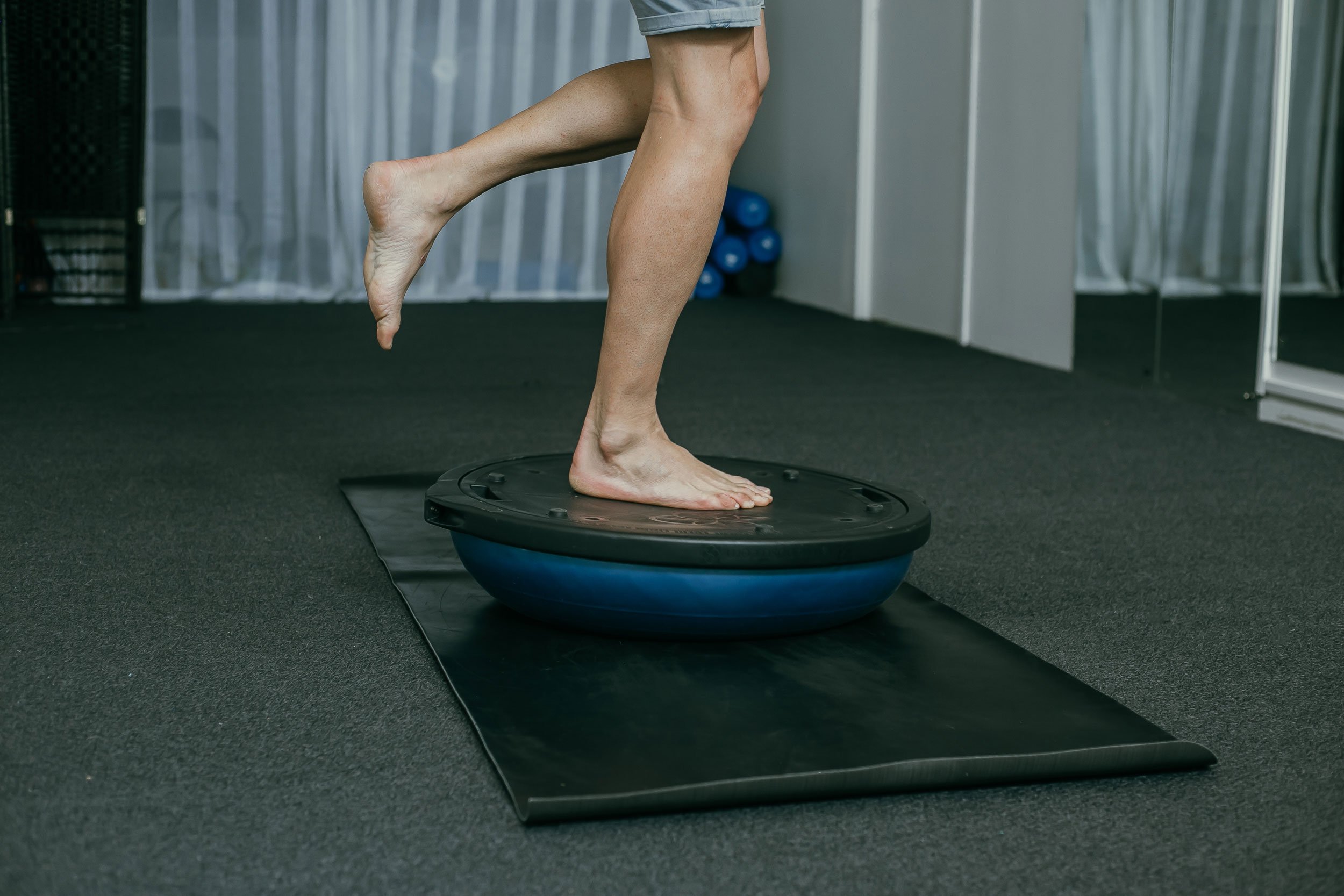
balance and proprioception
Pilates
strength & conditioning
sport-specific rehabilitation
return-to-running or return-to-sport programmes.
Our aim is to help you regain the capacity to do the things that matter to you rather than simply treating symptoms.
Sports Physiotherapy
What injuries does a sports physiotherapist treat?
Sports physiotherapists commonly assess and rehabilitate:
ACL and other knee ligament injuries
meniscus injuries
hamstring and calf strains
ankle sprains
Achilles and other tendon problems
shoulder injuries
running injuries
muscle tears
hip and groin pain
overuse injuries
injuries following fractures
post-operative sports injuries.
We work with both competitive athletes and people who simply want to remain active.
Do I need to be an athlete to see a sports physio?
No.
The principles used in sports rehabilitation – accurate assessment, progressive strengthening, objective measurement and gradually increasing physical capacity – are useful for people at every level.
You might be preparing for competitive sport, wanting to run 5 km again or simply wanting to comfortably walk the dog.
When can I return to sport after an injury?
Return to sport should ideally be based on function rather than just time.
Depending on the injury, we may assess strength, range of movement, power, balance, jumping, running and sport-specific movements before recommending a full return.
At Refine Health we can also use objective strength testing, including VALD technology where clinically appropriate, to help measure progress during rehabilitation.
Can physiotherapy help prevent another sports injury?
No programme can guarantee that another injury won't occur, but rehabilitation can address modifiable factors such as strength, physical capacity, movement control and training load.
One of our major goals is therefore not simply getting you back to sport, but preparing your body for the demands that sport places on it.
Pre-operative Physiotherapy
What is prehabilitation or pre-operative physiotherapy?
Prehabilitation is physiotherapy and exercise performed before surgery.
The goal is to go into an operation with the best achievable strength, mobility, physical conditioning and understanding of the rehabilitation that will follow.
Should I see a physiotherapist before joint replacement or orthopaedic surgery?
Often, yes.
Pre-operative physiotherapy can help you understand what to expect following surgery and establish exercises that may form part of your post-operative rehabilitation.
It also gives us useful baseline information about your movement and strength before the operation.
We commonly work with people undergoing knee, hip, shoulder and other orthopaedic procedures.
How far before surgery should I start physiotherapy?
This depends on your condition and surgery.
Even one or two sessions before an operation can be useful for education and establishing a rehabilitation plan, while some patients benefit from several weeks of structured strengthening beforehand.
Your physiotherapist can tailor this around your surgeon's recommendations and your operation date.
Post-operative Physiotherapy
When should I start physiotherapy after surgery?
This depends on the operation and your surgeon's rehabilitation protocol.
Some rehabilitation begins almost immediately, while particular movements or exercises may need to be restricted during the early healing period.
Where appropriate, we work alongside your surgeon's instructions and progressively advance your rehabilitation as your tissues heal.
What operations do you provide rehabilitation for?
We regularly provide rehabilitation following orthopaedic procedures including:
ACL reconstruction
meniscus surgery
total and partial knee replacement
hip replacement
shoulder stabilisation
rotator cuff surgery
ankle surgery
tendon repair
fracture fixation
other orthopaedic procedures.
Your programme is adapted to your operation, surgeon's protocol, physical goals and progress.
How long does rehabilitation take after surgery?
It varies considerably.
Recovery following a relatively minor procedure may be measured in weeks, while rehabilitation following major joint reconstruction or ligament surgery can take many months.
We focus on achieving appropriate milestones rather than simply reaching a date on the calendar.
Can my physiotherapist communicate with my orthopaedic surgeon?
Yes.
Refine Health works with a network of orthopaedic specialists and other health professionals across Auckland.
Where appropriate, we can communicate with your surgeon or medical team about your rehabilitation and progress.
Knee, Hip, Shoulder and Back Physiotherapy
Can physiotherapy help knee pain?
Yes, many causes of knee pain respond well to physiotherapy and progressive rehabilitation.
The important first step is establishing why your knee hurts.
Knee pain can arise from the joint itself, muscles, tendons, ligaments, meniscus, kneecap or surrounding structures. Your treatment should therefore be based on your diagnosis rather than simply being given a generic set of knee exercises.
Can physiotherapy help back pain?
Physiotherapy can help with many types of lower back and spinal pain.
Assessment typically considers your symptoms, movement, strength, activity levels and other factors that may be contributing.
Treatment may involve education, movement, hands-on treatment and progressive strengthening, with the aim of restoring confidence and function rather than encouraging you to avoid movement.
Can physiotherapy help shoulder pain?
Yes. Shoulder pain can arise from a number of structures and can behave very differently depending on its cause.
Physiotherapy can help assess shoulder movement, strength and function and determine whether rehabilitation is appropriate or whether further investigation is warranted.
Scans, Specialists and Referrals
Can a physiotherapist refer me for an X-ray?
Physiotherapists can refer for certain imaging where clinically appropriate.
Importantly, not every musculoskeletal injury requires a scan. A good clinical assessment often provides much of the information required to begin treatment.
If imaging is appropriate, your physiotherapist can discuss the options with you.
Do I need an MRI before seeing a physiotherapist?
Usually not.
For many common musculoskeletal injuries, your history and physical examination provide enough information to begin appropriate management.
If your assessment suggests that further investigation is required, we can discuss this with you and help coordinate the appropriate pathway.
Can a physiotherapist refer me to an orthopaedic surgeon or specialist?
Yes. Where appropriate, we can help facilitate assessment by a specialist and work with our established network of orthopaedic surgeons and other medical professionals.
Sometimes physiotherapy is the appropriate first treatment. In other situations, recognising early that a specialist opinion is required is just as important.
How do I know if my injury is serious?
Most musculoskeletal injuries are not dangerous, but certain symptoms require more urgent assessment.
Seek prompt medical assessment following significant trauma, obvious deformity, inability to bear weight, rapidly increasing swelling, significant unexplained weakness or numbness, or if you are systemically unwell.
If you're simply unsure whether physiotherapy is the right starting point, contact our team and we can help guide you.
Refine Health Physiotherapy Auckland
Where are Refine Health's physiotherapy clinics?
Refine Health has two Auckland physiotherapy clinics:
Newmarket
14 Davis Crescent, Newmarket
Convenient for Newmarket, Remuera, Epsom, Parnell, Grafton and Auckland CBD.
St Heliers
10 Turua Street, St Heliers
Convenient for St Heliers, Mission Bay, Kohimarama, Glendowie, Ōrākei and surrounding eastern suburbs.
Do you offer physiotherapy in Newmarket?
Yes. Our Newmarket physiotherapy clinic is located at 14 Davis Crescent, Newmarket, Auckland.
We provide ACC physiotherapy, sports injury rehabilitation, post-operative rehabilitation, strength & conditioning and treatment for common knee, hip, shoulder, back and musculoskeletal conditions.
Do you offer physiotherapy in St Heliers?
Yes. Our St Heliers physiotherapy clinic is located at 10 Turua Street, St Heliers, Auckland.
Our team provides ACC physiotherapy, sports physiotherapy, injury rehabilitation, pre- and post-operative rehabilitation and general musculoskeletal physiotherapy.
Why choose Refine Health Physiotherapy?
Refine Health combines experienced physiotherapy with progressive rehabilitation and strength & conditioning.
Our approach is built around four things:
Understand the problem.
A thorough assessment and clear explanation of what we believe is causing your symptoms.
Create a plan.
Treatment and rehabilitation based around your injury, lifestyle and goals.
Measure progress.
Where appropriate, we use objective testing alongside clinical assessment to understand how your strength and function are improving.
Build resilience.
We want you to leave rehabilitation capable of returning to work, sport and life with confidence – not simply feeling temporarily better.
Refine Health is an ACC-registered provider with physiotherapy clinics in Newmarket and St Heliers, Auckland.
Injury Recovery. Health Resilience.
Why Choose Refine Health Physiotherapy?
Expert-led care: Experience and proficiency, highlighted by Stu Ross and Pauline Thorp’s 40-year legacy.
Holistic approach: From diagnostics to treatment, our team collaborates to provide the best outcomes.
Central location: Perfect for residents of Newmarket, Remuera, Parnel, Epsom, and the Auckland CBD.
ACC Registered: Hassle-free injury claims without the need for GP referrals.