Skip to content

Refine Health  /  Physiotherapy  /  Shoulder Rehabilitation

Newmarket & St Heliers · Auckland

Shoulder Rehabilitation Auckland

Advanced shoulder physiotherapy. Objective testing. Better rehabilitation.

Whether you're recovering from shoulder surgery, working through a rotator cuff problem, dealing with a stiff or unstable shoulder or trying to get back overhead, successful rehabilitation requires more than simply reducing your symptoms.

At Refine Health we combine experienced physiotherapy, progressive strength and conditioning and objective VALD performance testing to help measure recovery and guide rehabilitation.

Book a shoulder assessment Explore our approach
Newmarket St Heliers ACC physiotherapy No GP referral needed
Shoulder rotation Peak force · kg
Affected · external rotation9.2
Unaffected · external rotation12.4
Limb symmetry
74%

Example data
for illustration only

Rotation balance · ER : IR
0.61

Not just
raw strength

Objective strength testingVALD ForceFrame
Two Auckland clinicsNewmarket · St Heliers
Registered ACC providerInjury claims managed in clinic
Rehab beyond the tableStrength & conditioning

The gap in most rehabilitation

A shoulder can move well and still be weak

Shoulders are good at hiding deficits. Range of movement usually comes back before strength does, and the body is skilled at borrowing from the neck, the trunk and the bigger muscles to get the arm where it needs to go.

How the shoulder feels
  • ↓Pain settling
  • ✓Arm goes overhead again
  • ✓Sleeping through the night
  • ↑Confidence returning

Subjective, important, and easy to over-read.

Versus
What we can measure
  • kgExternal rotation strength
  • kgInternal rotation strength
  • ⇄Rotation balance (ER : IR)
  • %Side-to-side differences
  • ΔProgress over time

Numbers you can compare, retest and act on.

Full movement is not the same thing as full strength.

What's actually in there

The most mobile joint in the body, and the least stable

The shoulder trades stability for range. That trade is what lets you throw, swim and reach behind your back — and it's why the muscles around it have to do work that other joints hand to bone and ligament.

Anatomical model of the upper body showing the musculature of the shoulder girdle: the deltoid muscles capping each shoulder, the pectoral muscles across the chest, and the muscles of the upper arm
Plate 01 · Musculature

The deltoids capping each shoulder and the pectorals across the chest are the muscles you can see, and the ones that get trained. The four that matter most in shoulder rehabilitation sit underneath them, against the shoulder blade.

Anatomical render of the bones of the shoulder: the collarbone, the acromion, the shoulder blade and the head of the upper arm bone sitting against the shallow socket, with the ribcage behind
Plate 02 · The bones

Collarbone, acromion, shoulder blade, and the head of the arm bone sitting against a socket roughly the size of a golf tee. Almost nothing here is held in place by bone shape.

Anatomical model of the shoulder joint seen from behind: the shoulder blade, the collarbone and acromion above, and the head of the upper arm bone held against the socket by the joint capsule
Plate 03 · What holds it together

The capsule and the rotator cuff wrapping the joint. They do the work bone shape doesn't — every time you lift the arm, which is why strength here is worth measuring.

The rotator cuff

Four muscles run from the shoulder blade to the top of the arm bone. They are small compared with the deltoid, and their main job isn't moving the arm — it's holding the head of the arm bone centred in a socket roughly the size of a golf tee while the bigger muscles do the moving.

  • —Supraspinatus — starts the lift, and the one most often involved in cuff-related pain
  • —Infraspinatus — rotates the arm outward
  • —Teres minor — rotates the arm outward
  • —Subscapularis — rotates the arm inward, from the front of the blade
Four joints, not one

"Shoulder pain" is rarely a single joint. The ball-and-socket joint, the joint at the tip of the shoulder, the joint where the collarbone meets the breastbone, and the shoulder blade gliding on the ribcage all move together every time you raise your arm. Part of a thorough assessment is working out which of them is actually driving your symptoms.

Why this matters for rehab

External and internal rotation strength are measurable, and the balance between them is measurable too. Both are things a good rehabilitation programme should be changing — and both are easy to assume have improved when they haven't.

Objective rehabilitation

Measure your progress

VALD strength testing at Refine Health

Refine Health uses VALD performance technology to objectively assess strength during appropriate rehabilitation programmes. Our VALD ForceFrame system measures isometric strength across every major joint and muscle group — shoulder, elbow, wrist, neck, hip, knee, ankle and more — recording maximum voluntary contraction (MVC) and allowing us to train within target zones set as percentages of that MVC.

For the shoulder, that usually means testing external rotation, internal rotation, abduction and other relevant shoulder and scapular muscle groups. Because rotation is tested in both directions, we can look at the balance between them as well as the raw numbers — and compare both against your other side.

Shoulder external rotation · peak force Test → train → retest
Affected shoulder 74%
Unaffected shoulder 100%
Limb symmetry index 74%
External : internal rotation 0.61

Baseline testing early in the programme. The affected side is producing meaningfully less force, and the rotation balance is skewed.

Example data for illustration only
The loop we work in
01AssessHistory, symptoms, movement, goals.
02MeasureBaseline strength where it's clinically useful.
03RehabilitateProgressive, individualised loading.
04RetestSame test, same conditions, new number.
05ProgressAdjust the plan on what the data shows.

Testing is one component of clinical decision-making. Numbers are read alongside your history, examination findings, symptoms, the demands of your sport or work, and — where relevant — the guidance of your surgeon. No single test decides on its own whether you are ready to return to sport.

Book a shoulder assessment Learn about VALD testing

Scope of practice

Shoulder conditions we treat

From everyday shoulder pain through to complex post-operative rehabilitation. Open any card for what assessment and rehabilitation usually involve.

Rotator cuff pain & tearsTendon · surgical & non-surgical

The most common source of shoulder pain we see. Many rotator cuff problems — including a good number of tears — respond well to structured, progressive loading without surgery. Rehabilitation works on cuff strength, scapular control and the shoulder's tolerance to load, and we measure rotation strength so progress is visible rather than assumed.

See the rotator cuff pathway
Subacromial shoulder painLoad-related · overhead

Pain at the outside or front of the shoulder, typically worse reaching overhead, lying on that side or lifting away from the body. Assessment looks at how load is being shared across the cuff, the scapula and the thoracic spine, and rehabilitation combines load management with progressive strengthening rather than avoidance.

Frozen shoulderAdhesive capsulitis · stiffness

A genuinely stiff shoulder that loses range in a recognisable pattern, often with significant night pain in the early phase. It behaves differently from other shoulder problems and needs a different approach at each stage — pushing hard into a shoulder that is still irritable rarely helps.

More on frozen shoulder
Shoulder instability & dislocationTraumatic & atraumatic

Shoulders that have dislocated or subluxed, and shoulders that feel like they might. Rehabilitation builds rotator cuff and scapular strength, then progressively rebuilds control in the positions where the shoulder feels vulnerable — including contact, overhead and end-range positions where relevant to your sport.

AC joint injuriesTip of the shoulder · contact sport

Typically from a fall onto the point of the shoulder, common in rugby, cycling and mountain biking. Management depends on the grade of injury; rehabilitation focuses on settling the joint, restoring movement, then rebuilding the strength needed to carry, press and take contact again.

Labral & SLAP injuriesCartilage rim · overhead load

Injuries to the cartilage rim that deepens the socket, often seen alongside instability or in athletes with high overhead demand. Rehabilitation is built around restoring control and strength through range, and where surgery has occurred, follows the timeframes your surgeon has set.

Shoulder osteoarthritisJoint health · long-term management

Exercise and strengthening are widely recognised as important components of managing osteoarthritis. Physiotherapy does not remove arthritis, but rehabilitation can work on strength, movement, tolerance to daily tasks and confidence — including preparation before, and rehabilitation after, joint replacement.

Overhead & throwing shouldersSport · repeated high load

Cricket, tennis, swimming, volleyball, netball, water polo and overhead gym work all place repeated high demand on the shoulder. Rehabilitation looks at rotation strength and balance, scapular and trunk contribution, and training load — then rebuilds the specific overhead capacity your sport asks for.

Sports physio at Refine

Flagship pathway

Rotator cuff rehabilitation

The cuff doesn't get strong by being rested.

Rotator cuff rehabilitation is a staged process, whether or not surgery has been involved. Pain usually settles well before the cuff regains the strength it needs to control the joint under load — which is why we progress on criteria you have actually met, alongside appropriate timeframes and clinical assessment, rather than the calendar on its own.

  1. Stage 01

    Injury or surgery

    Diagnosis, early management and a clear plan. If surgery is planned, preparation starts here.

  2. Stage 02

    Settle and protect

    Calm the shoulder down, sort out sleep, and protect healing tissue where a repair has been done — while keeping everything that can safely move, moving.

  3. Stage 03

    Restore movement

    Rebuild range through the shoulder and the thoracic spine, and re-establish the scapula's contribution to getting the arm up.

  4. Stage 04

    Rebuild cuff strength

    Progressive loading of the rotators through range. This is the longest stage, and the one most often cut short once the pain has gone.

    VALD baseline test
  5. Stage 05

    Scapular control under load

    Pulling, pressing and carrying, so the blade holds its position when the arm is working hard rather than only when it isn't.

  6. Stage 06

    Overhead capacity

    Rebuilding tolerance to load above shoulder height, progressed by volume as well as weight.

    Strength retest
  7. Stage 07

    Speed, power and contact

    Where relevant: throwing, serving, swimming volume, gym overhead work, or taking contact through the shoulder.

    Strength retest
  8. Stage 08

    Return to sport or work

    A shared decision made with you, your clinical findings, your test results and your surgeon or medical team where relevant.

Why criteria, not dates

Two people at the same number of weeks post-surgery can have very different shoulders. Progressing on what you can demonstrate — range, rotation strength, control, tolerance to load — gives a more honest picture than time alone.

Where testing fits

Where clinically appropriate, VALD strength testing is repeated at key points so progress can be compared like for like. It informs the decision. It doesn't make it.

Start shoulder rehabilitation

Beyond pain relief

From pain relief to performance

For most people, getting rid of pain isn't the finish line. The goal is sleeping on that side again, swimming a full set, getting back on the tools, pressing overhead without hesitation, or bowling a spell without paying for it the next day.

A capacity pathway
01Movement→ 02Scapular control→ 03Cuff strength→ 04Pushing & pulling→ 05Overhead load→ 06Power→ 07Throwing or serving→ 08Sport, work or activity

Not every person needs every stage. Someone returning to gardening and someone returning to premier cricket stop at different points on this pathway — the programme is built around your goal, not the full ladder.

Everyday goals

Sleeping on that side · reaching a high shelf · putting a seatbelt on · carrying shopping · getting dressed without planning it · gardening

Recreational goals

Swimming · gym and overhead lifting · climbing · tennis · golf · kayaking · mountain biking · surfing

Sporting & work goals

Cricket · rugby · netball · volleyball · water polo · rowing · trades and overhead manual work · club through to representative level

Refine Health has clinic-based rehabilitation space and access to full gym facilities, so rehabilitation can continue past the treatment table into loading that actually resembles what you're returning to. See our rehabilitation facilities.

For patients and referrers

Rehabilitation after shoulder surgery

Refine Health manages post-operative shoulder rehabilitation across a broad range of orthopaedic procedures, working alongside your surgeon and healthcare team where required.

Shoulder rehabilitation is unusually protocol-sensitive — what is safe in week four after a cuff repair is different again after a stabilisation or a replacement. We follow the protocol and restrictions your surgeon has provided, keep communication open where that's useful, and progress you on demonstrated criteria within those timeframes. Where clinically appropriate, objective strength testing gives you and your surgeon a shared, repeatable measure of progress.

Book post-operative rehab Call 09 520 1832
Procedures we rehabilitate
  • —Rotator cuff repair
  • —Subacromial decompression
  • —Shoulder stabilisation, including Bankart repair and Latarjet
  • —Labral and SLAP repair
  • —AC joint reconstruction
  • —Biceps tenodesis
  • —Total shoulder replacement
  • —Reverse total shoulder replacement
  • —Other orthopaedic shoulder procedures

The one that behaves differently

Frozen shoulder, mapped

Frozen shoulder tends to move through recognisable phases, and what helps in one phase can make another worse. Knowing roughly where a shoulder sits changes the plan — which is usually the difference between rehabilitation that helps and rehabilitation that irritates.

Phases overlap, they don't run to a schedule, and how long each lasts varies considerably between individuals. This is a map, not a timetable — and not every stiff, painful shoulder is a frozen shoulder, which is why assessment comes first.

Phase 01

Painful

Pain often out of proportion to what you did, frequently worst at night. Range is starting to reduce. The priorities here are settling symptoms, protecting sleep, keeping what movement you have, and being clear about what's happening — not forcing range.

Phase 02

Stiff

Pain typically eases while stiffness dominates, particularly rotation. This is where graded range work and strengthening within the range you have start to earn their place, alongside keeping the rest of the arm, scapula and trunk strong.

Phase 03

Recovering

Range gradually returns. The work shifts to rebuilding the strength and capacity lost along the way — which is often substantial after months of guarding — so the shoulder is genuinely usable again rather than just mobile.

What physiotherapy can work on

Managing symptoms and sleep, maintaining and then restoring range, keeping the rest of the shoulder girdle strong, rebuilding capacity as the shoulder allows, and giving you a realistic picture of where you are — including when to seek a medical or surgical opinion.

What we won't tell you

That there's a shortcut, or a fixed number of weeks. Frozen shoulder is frustrating and often slow, and being told otherwise tends to make it harder, not easier.

Our framework

The Refine shoulder rehabilitation method

Six stages we apply to every shoulder, scaled to the person in front of us.

01Assess

Understand the injury, symptoms, history and goals.

02Measure

Establish useful objective baselines where appropriate.

03Build

Develop strength and physical capacity.

04Progress

Gradually increase the demands placed on the shoulder.

05Retest

Measure meaningful changes where appropriate.

06Return

Prepare you for the activity, work or sport that matters to you.

Assess → Measure → Build → Progress → Retest → Return

Why us

Why choose Refine Health for shoulder rehabilitation?

Experienced physiotherapists

Musculoskeletal, sports and orthopaedic rehabilitation experience across our team, including clinicians with a particular interest in shoulders.

Objective testing

VALD technology provides measurable information about rotation strength, balance and progress where clinically appropriate.

Strength & conditioning

Rehabilitation extends beyond the treatment table and into pressing, pulling and overhead loading that resembles real life.

Individual programmes

Rehabilitation based on the individual in front of us rather than a generic protocol.

Two Auckland clinics

Newmarket and St Heliers, with the same rehabilitation approach at both.

ACC physiotherapy

Eligible injuries can be managed through ACC without requiring a GP referral. We're a registered ACC provider.

The people doing the work

Meet our shoulder rehabilitation team

Shoulder rehabilitation at Refine Health is delivered across both clinics by physiotherapists with musculoskeletal, sports and post-operative experience.

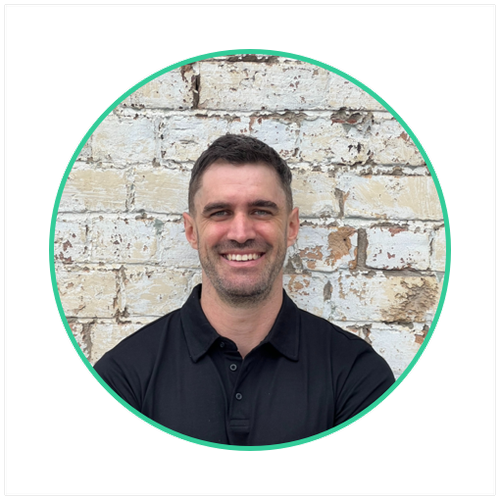
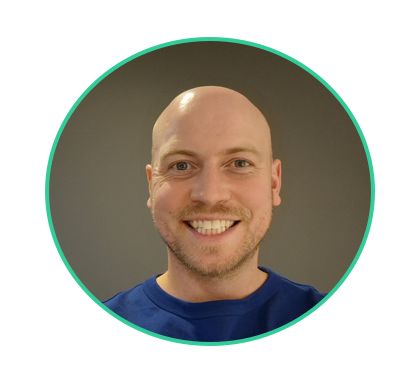
Nick Bayliss, Senior Musculoskeletal Physiotherapist at Refine Health

Nick Bayliss

Senior Physio · Musculoskeletal

Treats a wide range of musculoskeletal conditions, from children with sporting injuries to older adults staying active and independent. Takes time to understand each client's goals before building the plan.

MSc Physiotherapy (Brunel University, 2016) · sport science and physiology background (Leeds, Queensland) · 10+ years in injury recovery and rehabilitation
PrehabilitationPost-operative rehabOrthopaedic support
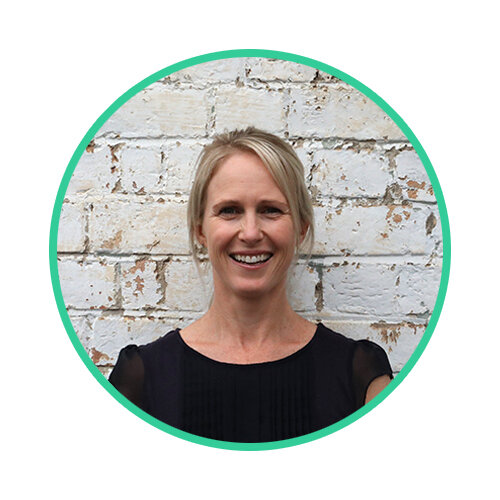
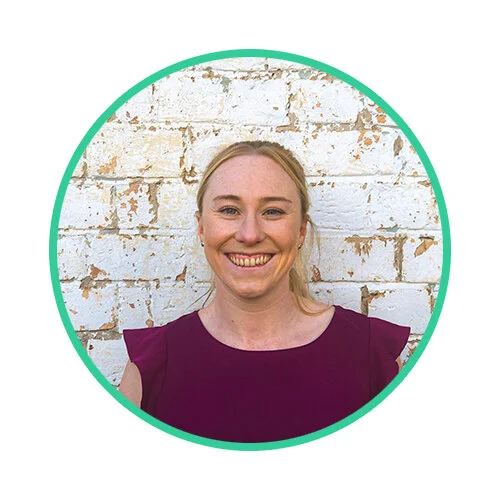
Kate Birks, Senior Musculoskeletal Physiotherapist at Refine Health

Kate Birks

Senior Physio · MSK, Pilates & Acupuncture

Uses a hands-on and rehabilitation-based approach to get the best outcomes for her clients, working with people from age 7 to 97.

MSK Physiotherapy (University of Nottingham, 2012) · 13 years in musculoskeletal physiotherapy · pitch-side with a UK premiership rugby team · local netball clubs in NZ

Pre & post surgeryStrength & conditioningReturn to sportOsgood Schlatter's
Callum Fitzpatrick, Senior Physiotherapist at Refine Health

Callum Fitzpatrick

Senior Physio · Sports & MSK

Focuses on creating personalised, goal-oriented treatment plans to reduce pain, restore function and promote long-term strength and resilience. Hands-on experience from grassroots through to national and international sport.

NZ Masters Hockey · Masters Hockey World Cup (Cape Town & Auckland) · Hibiscus Coast AFC premier football · Grammar TEC premier rugby

Sports injuriesPost-operative rehabExercise prescriptionDry needling
Stephen Evans, Physiotherapist and Strength and Conditioning specialist at Refine Health

Stephen Evans

Physio · Strength & Conditioning

Blends manual therapy with exercise science, focusing not only on relieving pain and restoring function but on building resilience and reducing the risk of future injury.

Physiotherapy and Exercise Science degrees (AUT) · 10+ years strength and conditioning coaching, from elite international athletes to injury recovery · national-level hockey

Strength & conditioningReturn to sportInjury prevention
Pauline Thorp, Clinic Director and Senior Physiotherapist at Refine Health

Pauline Thorp

Clinic Director · Senior Physio

Takes a hands-on approach, combining soft tissue techniques, mobilisation, strength and conditioning and acupuncture to help clients on their path to injury recovery.

18+ years in private practice · Post-graduate Diploma in Western Acupuncture (AUT) · Mulligan technique · ex-competitive swimmer, national age group triathlon, Half Ironman, Tarawera 50km ultra

Manual therapyStrength & conditioningAcupuncture
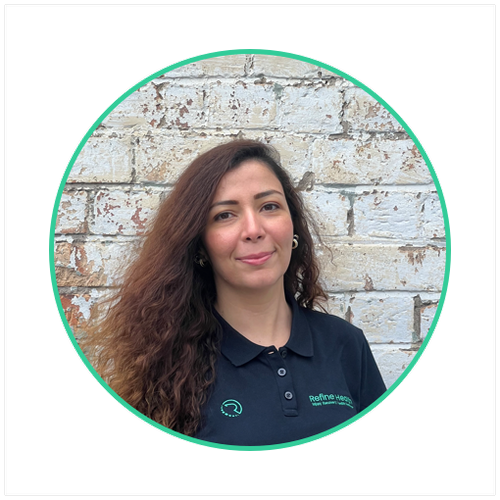
Donna Besada, Physiotherapist at Refine Health

Donna Besada

Physio · Musculoskeletal

Passionate about helping people regain strength and confidence through hands-on treatment and personalised plans, with sessions tailored to each person's needs.

Physiotherapy degree (University of Otago)

Musculoskeletal carePersonalised rehab
Meet the full team Book with a physio

Where to find us

Shoulder physio in Newmarket and St Heliers

Two Auckland clinics, the same rehabilitation approach at both. Choose whichever is easier to get to — or the clinician you'd like to see.

Clinic 01

Shoulder physio Newmarket

Refine Health Newmarket

14 Davis Crescent
Newmarket, Auckland 1023
09 520 1832
frontdesk@refinehealth.co.nz
Serving patients from
NewmarketEpsomRemuera ParnellGraftonCentral Auckland
Book Newmarket Clinic details
Clinic 02

Shoulder physio St Heliers

Refine Health St Heliers

10 Turua Street, first floor
St Heliers, Auckland 1071
Monday–Friday, 7am–6pm
09 520 1832
frontdesk@refinehealth.co.nz
Serving patients from
St HeliersKohimaramaMission Bay GlendowieEastern Bays
Book St Heliers Clinic details

Embed the existing Refine Health map components here if consistent with the current clinic pages.

Common questions

Shoulder physiotherapy in Auckland — your questions

Do I need a referral for shoulder physiotherapy?

No. You can book directly with a physiotherapist at Refine Health without a GP referral. We're a registered ACC provider, so if your shoulder problem is an eligible injury we can lodge the ACC claim in clinic at your first appointment.

Can physiotherapy help a rotator cuff tear?

Often, yes. A tear on a scan does not automatically mean surgery — many rotator cuff tears, particularly degenerative ones, respond well to structured, progressive strengthening. What matters is the whole picture: your symptoms, how the shoulder functions, the type and size of the tear, your age and your goals. Where a surgical opinion is the right next step, we'll say so and work alongside your surgeon.

How long does frozen shoulder take to get better?

Longer than most people want to hear, and it varies considerably between individuals — frozen shoulder is usually measured in many months rather than weeks. It tends to move through a painful phase, a stiff phase and a recovery phase, and these overlap rather than running to a schedule. Because what helps in one phase can irritate another, we'd rather assess where your shoulder actually sits than quote you a timeline.

Can Refine Health measure my shoulder strength?

Yes, where it's clinically appropriate. We use VALD ForceFrame technology to measure isometric strength in the muscle groups that matter for the shoulder — external rotation, internal rotation, abduction and other relevant shoulder and scapular muscle groups — so you can see side-to-side differences, the balance between your rotators, and how both change across your programme.

What is VALD strength testing?

VALD is a performance technology system used in clinical and elite sport settings. The ForceFrame we use at Refine Health measures isometric strength across every major joint and muscle group — shoulder, elbow, wrist, neck, hip, knee, ankle and more — recording your maximum voluntary contraction (MVC) and letting us train within target zones set as percentages of that MVC. Read more about VALD ForceFrame at Refine Health.

Can you help after shoulder surgery?

Yes. We manage rehabilitation following rotator cuff repair, subacromial decompression, shoulder stabilisation including Bankart repair and Latarjet, labral and SLAP repair, AC joint reconstruction, biceps tenodesis, total and reverse total shoulder replacement and other orthopaedic shoulder procedures — working alongside your surgeon and healthcare team where required, and within the protocol and restrictions they've set.

Why does my shoulder hurt more at night?

Night pain is common with shoulder problems, particularly rotator cuff conditions and frozen shoulder — lying down changes the load on the joint, and there's nothing else competing for your attention. It's worth getting assessed rather than waiting it out, both because sleep matters to recovery and because persistent night pain is one of the things we want to look at properly.

When can I get back to overhead training or throwing?

It depends on the problem, whether surgery was involved, and where your strength and control currently sit. We generally look for adequate range, a settled joint, sufficient rotation strength — including side-to-side comparison and rotation balance where we've tested it — and good scapular control under load before building overhead volume back up. Volume is progressed as carefully as weight; most shoulder setbacks we see come from doing too much too soon rather than lifting too heavy.

When should I see a physio about shoulder pain?

Sooner is usually better. Book an assessment if the shoulder was injured in a fall or incident, if pain has persisted beyond a couple of weeks, if it's disturbing your sleep, if you can't lift the arm or it feels weak, if the shoulder has dislocated or feels unstable, or if it's limiting work, training or daily tasks.

Is shoulder physiotherapy covered by ACC?

Refine Health is a registered ACC provider. If your shoulder problem is an eligible accident-related injury, ACC contributes to the cost of your treatment and we can lodge the claim in clinic — no GP referral required. A part-charge usually applies. Our price list sets out current fees.

Assess · Measure · Build · Progress · Retest · Return

Take the guesswork out of your shoulder rehabilitation

Whether you've recently hurt your shoulder, are recovering from surgery or have been working around it for months, we'll help establish where you are now and what you need to do next.

Book your shoulder assessment Call 09 520 1832

Newmarket  |  St Heliers  |  ACC physiotherapy available

Refine Health Physio

Injury recovery. Health resilience. Physiotherapy, rehabilitation and strength and conditioning in Newmarket and St Heliers, Auckland.

Registered ACC provider

Shoulder rehabilitation

  • VALD strength testing
  • Rotator cuff rehabilitation
  • Shoulder conditions we treat
  • After shoulder surgery
  • Frozen shoulder
  • How the shoulder works

Refine Health

  • Knee rehabilitation
  • Newmarket physio
  • St Heliers physio
  • Sports physio
  • VALD ForceFrame
  • Meet the team
  • Price list
  • Contact us
Refine Health © 2026 09 520 1832 · frontdesk@refinehealth.co.nz Information on this page is general and does not replace individual clinical assessment.
Book shoulder assessment
0
Skip to Content
Refine Health
Refine Health Physio
Shoulder Rehab
Knee Rehab
Newmarket Physio
St Heliers Physio
Meet The Team
Contact Us
Articles & Tips
VALD Forceframe
Price List
Online Physio
Refine Health Patient Survey
Rehabilitation Facilities
Pilates
Run Assessment
Seminars
Media
09 520 1832
Refine Health
Refine Health Physio
Shoulder Rehab
Knee Rehab
Newmarket Physio
St Heliers Physio
Meet The Team
Contact Us
Articles & Tips
VALD Forceframe
Price List
Online Physio
Refine Health Patient Survey
Rehabilitation Facilities
Pilates
Run Assessment
Seminars
Media
09 520 1832
Refine Health Physio
Shoulder Rehab
Knee Rehab
Newmarket Physio
St Heliers Physio
Meet The Team
Folder: About
Back
Contact Us
Articles & Tips
VALD Forceframe
Price List
Online Physio
Refine Health Patient Survey
Rehabilitation Facilities
Pilates
Run Assessment
Seminars
Media
09 520 1832

Refine Health St Heliers


Refine Health Newmarket


Refine Health ©